
 +965 2292 4888


Daily Economic Update
30.07.2026
US: Fed keeps interest rates steady; UST yields climb as Warsh avoids giving clear or reassuring messages. The FOMC in a 9-3 vote left the Fed Fund target rate unchanged in the 3.5-3.75% range, with three regional Fed presidents, Hammack, Kashkari, and Logan, dissenting in favor of a 25bps rate hike. Ahead of the announcement, markets had assigned roughly a 35% probability to a hike. The committee’s statement noted economic activity expanding at a solid pace, productivity and capital investment strong, job gains keeping pace with the workforce with unemployment rate changed little and inflation remaining elevated. In the post-meeting conference, Chair Warsh, reiterating his earlier stance, avoided providing forward guidance and maintained ambiguity regarding the Fed’s next policy move. He emphasized that despite the Fed not making any change in the policy stance since the June meeting, nominal and real bond yields have tightened in response to incoming inflation and economic data, suggesting that markets were effectively doing some of the Fed’s work. He affirmed the Fed’s 2% inflation goal, saying “it’s 2 per cent” and “there is no soft inflation target” but was unclear about the main reference benchmark, mentioning it was a broader set of indicators than just PCE inflation. He stated his intention to continue holding post-meeting conferences at least through year-end. He repeated the committee’s resolve to deliver price stability, underscoring that inflation has remained above target for over five years and continues to be elevated but sidestepped questions about what was preventing the Fed from raising policy rates. Despite maintaining a hawkish tone, Warsh’s vague communications failed to reassure the financial markets and raised some concerns about the Fed’s commitment to bring inflation back to the target in the near term. Following his comments, S&P 500 extended its losses and closed 1.5% lower yesterday, but yields on UST bonds were rather mixed. While 2Y yields fell slightly, those on 10Y and 30Y bonds rose, with 30Y ones climbing by over 10bps to reach the highest level since 2007 at around 5.2%.
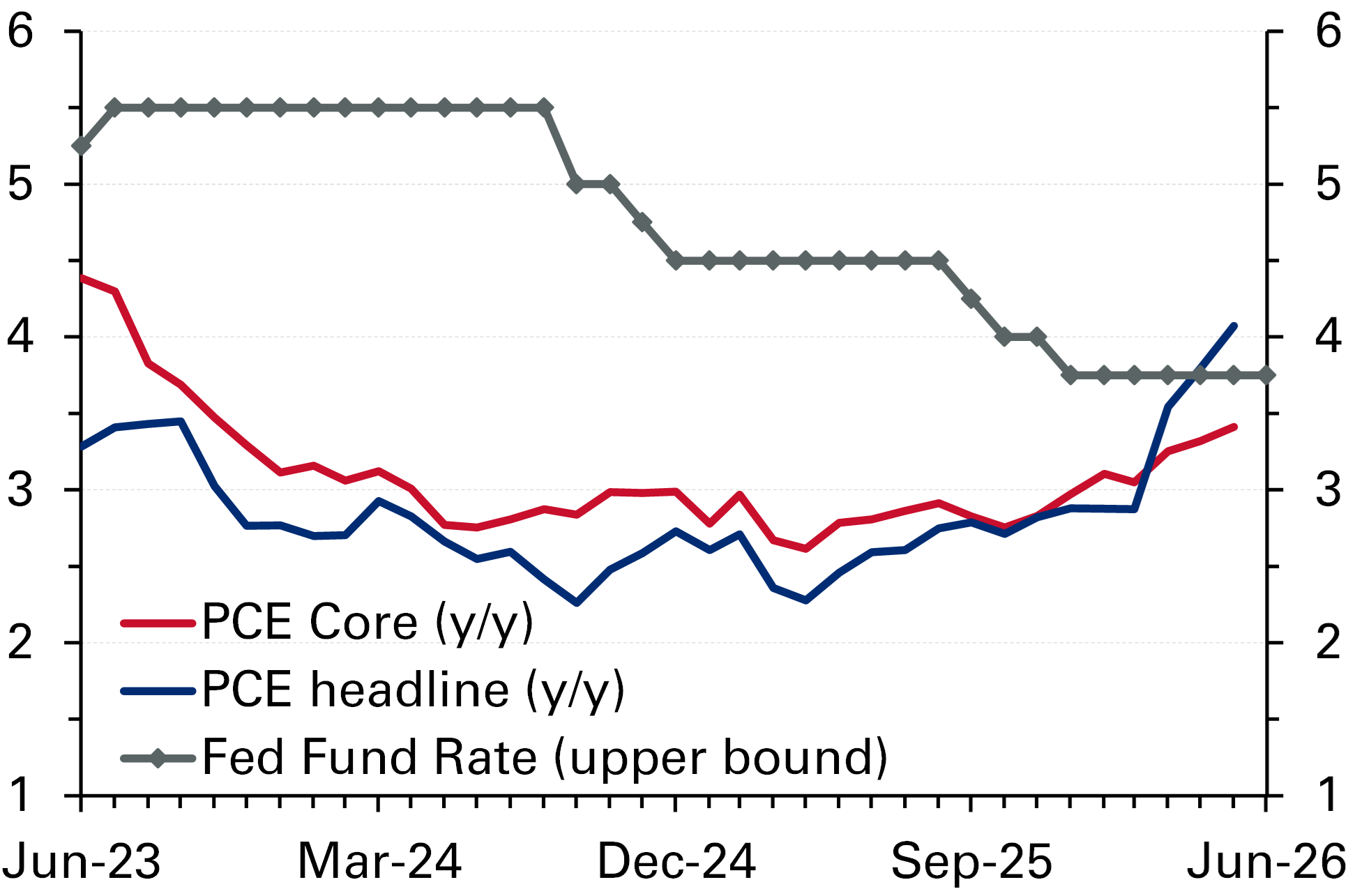
GCC: Central banks hold key interest rates steady following US Federal Reserve pause. GCC central banks kept interest rates unchanged after the US Federal Reserve left policy rates on hold, reflecting a cautious approach amid persistent inflation uncertainties. The decision by the regional central banks was widely expected, as most GCC currencies are pegged to the US dollar. The Central Bank of Kuwait kept its key benchmark discount rate at 3.5%, unchanged since December 2025. Similarly, the Central Bank of the UAE maintained its overnight deposit facility rate at 3.65% and kept the borrowing rate for short-term liquidity at 50bps above the base rate. The Central Bank of Bahrain left its overnight deposit rate unchanged at 4.25%, while the Qatar Central Bank maintained its REPO, lending, and deposit rates at 4.10%, 4.35% and 3.85%, respectively.
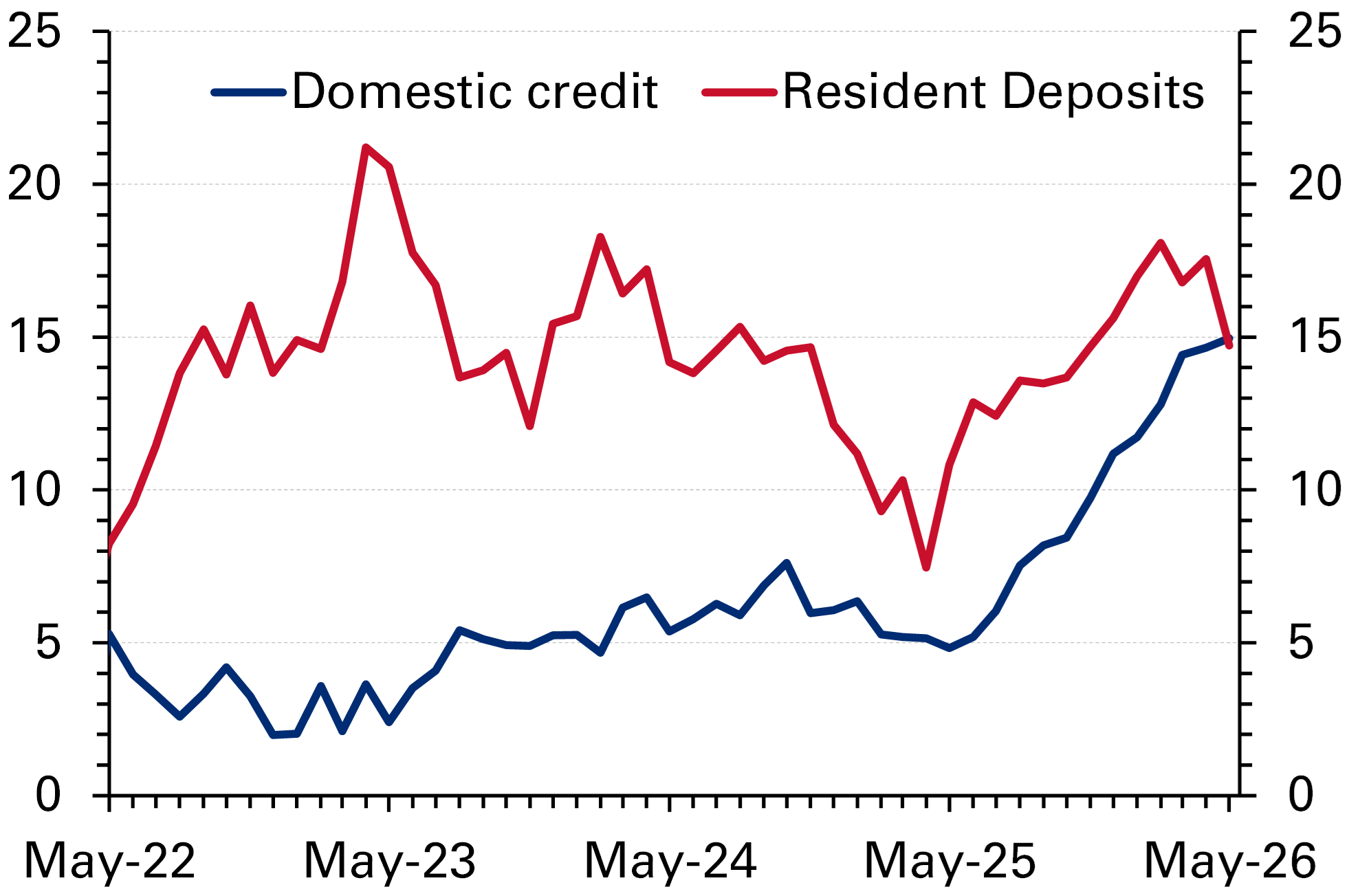
UAE: Domestic credit growth reaches new high as corporate and personal lending leads expansion. Domestic credit growth accelerated to 15% y/y in May 2026, up from April’s 14.7% and 4.8% y/y a year earlier, lifting the YTD growth to 5.9% compared with 2.5% in the same period of 2025. Private sector credit, which accounts for 72% of domestic credit, rose by a robust 11.3% y/y, though slightly softer than April’s 11.5% pace. Within the private sector, while corporate lending rose 10.1%, marking the fastest annual increase since February 2015, personal credit recorded a rise of 13.3%. In addition, public sector credit (government plus GREs) rose for the ninth consecutive month at 24.7%. Meanwhile, foreign credit expansion eased for the fourth straight month but remained strong at 39%. On the liabilities side, resident deposits grew by 14.7% y/y, down from 17.6% in April, bringing YTD growth to 4.6%. Private sector deposits grew 13.9%, while the rise in public sector deposits also remained strong (15.7%) despite some moderation, underscoring continued confidence in the banking system amid a volatile regional backdrop. As a result of the above, the loan-to-deposit ratio edged up in May to 69%, from 67.3% in February, highlighting credit growth outpacing deposit accumulation.