 +965 2292 4888


Economic Insight
22.07.2026
Preliminary official estimates show GDP declined 4.6% y/y in Q1 2026 amid a contraction in oil GDP linked to lower crude production related to the US-Iran war. Non-oil GDP recorded moderate growth, improving from a one-off contraction seen the previous quarter and despite weakness in the transport and hospitality sectors. Since Q1 covered just one month of the conflict, further GDP softness is expected in Q2, especially with oil exports severely impacted by the closure of the Strait of Hormuz through much of the quarter.
Oil GDP shrinks in Q1 at fastest pace since Covid-linked decline in 2021
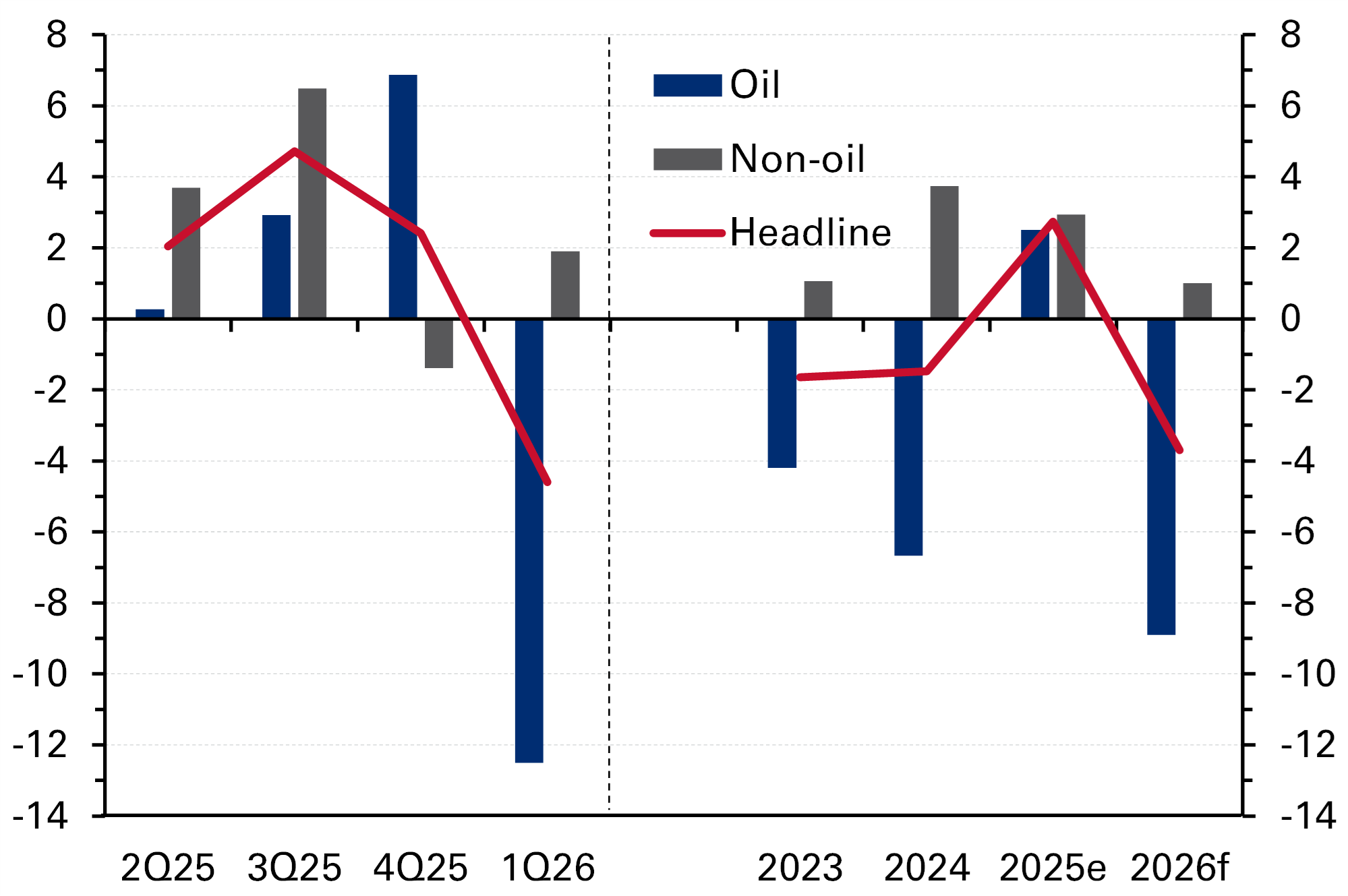
Oil GDP (worth 42% of total GDP) contracted by 12.5% y/y in Q1 2026, reversing three consecutive quarters of growth amid disruptions linked to the regional conflict. (Chart 1.) Oil production fell to 1.2 mb/d in March, down from 2.58 mb/d in February and 2.41 mb/d a year earlier, as the shutdown of the Strait effectively halted Kuwait's oil exports. (Chart 2.) Production weakened further to an average of 570 kb/d during April-May as domestic storage capacity filled, forcing output curtailment. A temporary improvement followed the signing of the US-Iran ceasefire agreement in mid-June, which facilitated a partial recovery in exports and helped lift production to 1.65 mb/d in June. However, renewed hostilities between the US and Iran in mid-July and Iran's subsequent announcement that the Strait would again be closed to vessel traffic are likely to weigh on Kuwait's oil production during the month.
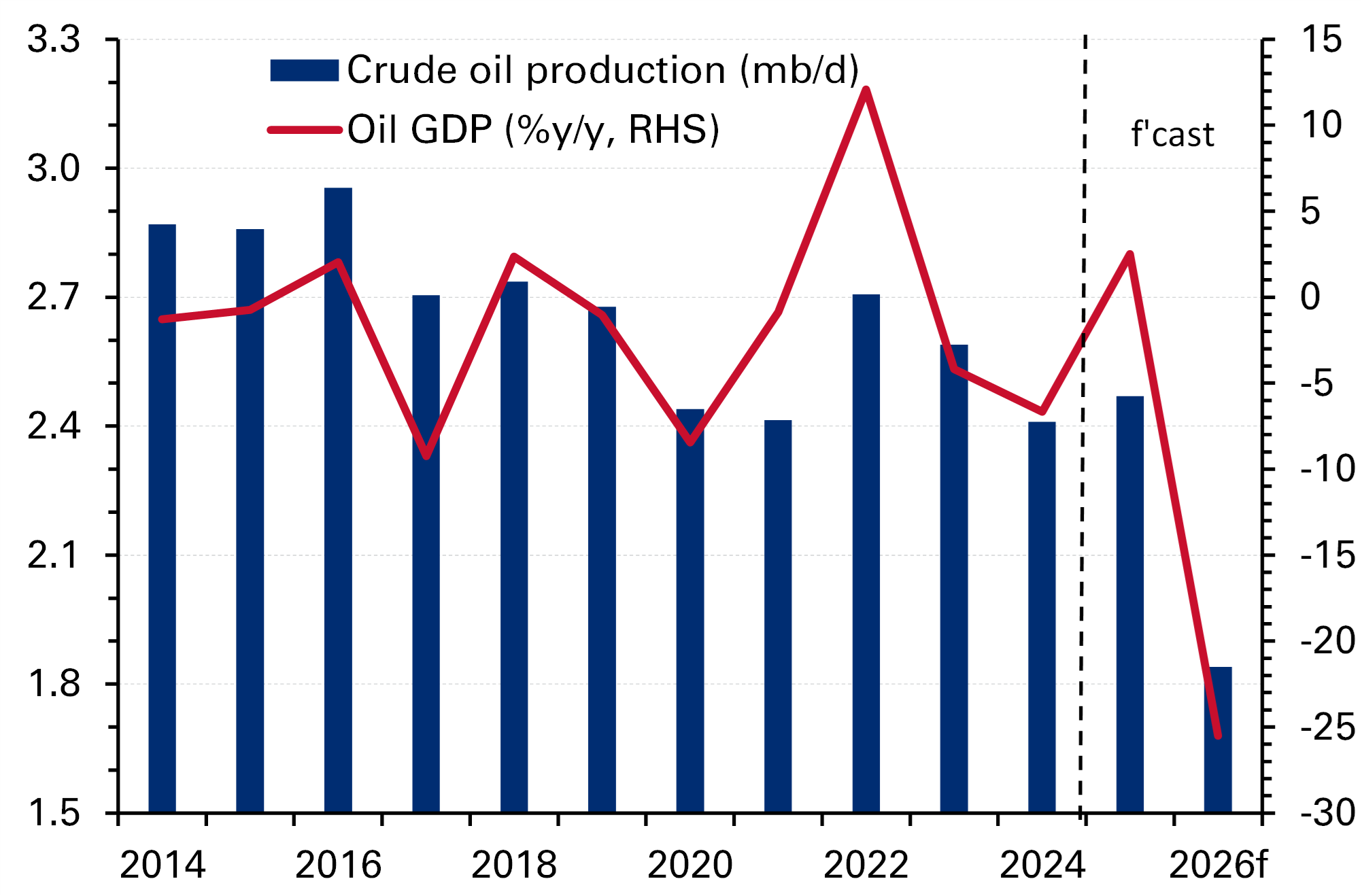
The contraction in Q1 follows a period of improving oil sector activity, supported by OPEC+'s gradual unwinding of voluntary production cuts that began in May 2025. Notably, OPEC+7 has continued to raise output targets despite conflict-related disruptions, limiting actual output. As a result, Kuwait's production quota has risen to 2.66 mb/d for August and is expected to increase further to 2.68 mb/d in September upon completion of the latest phase of the voluntary cut unwind. While actual production remains constrained by regional developments, the higher quota provides significant upside potential for Kuwait's oil sector once shipping conditions through the Strait of Hormuz normalize and export flows resume.
Non-oil expansion tempered by contraction in manufacturing sector
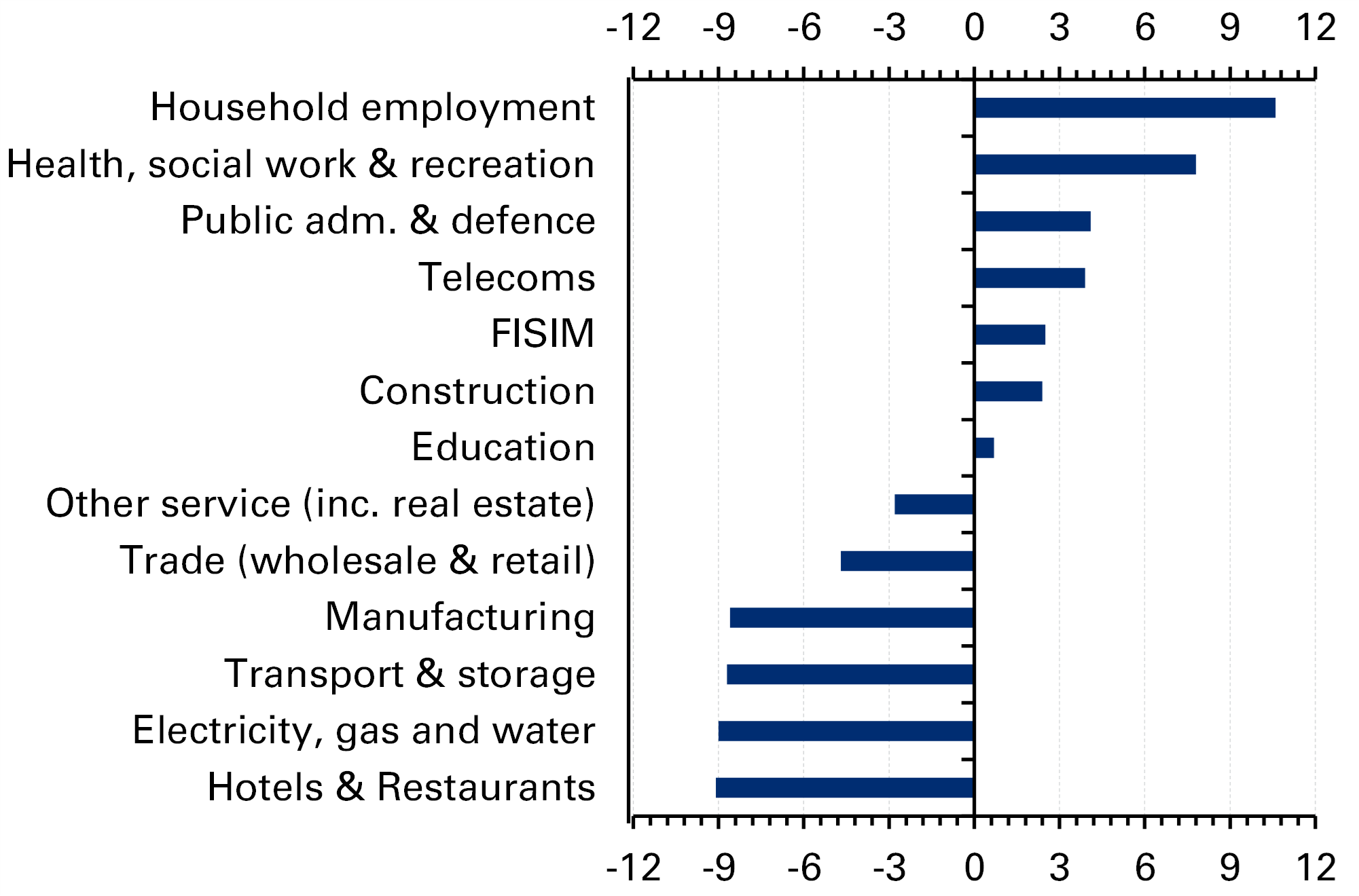
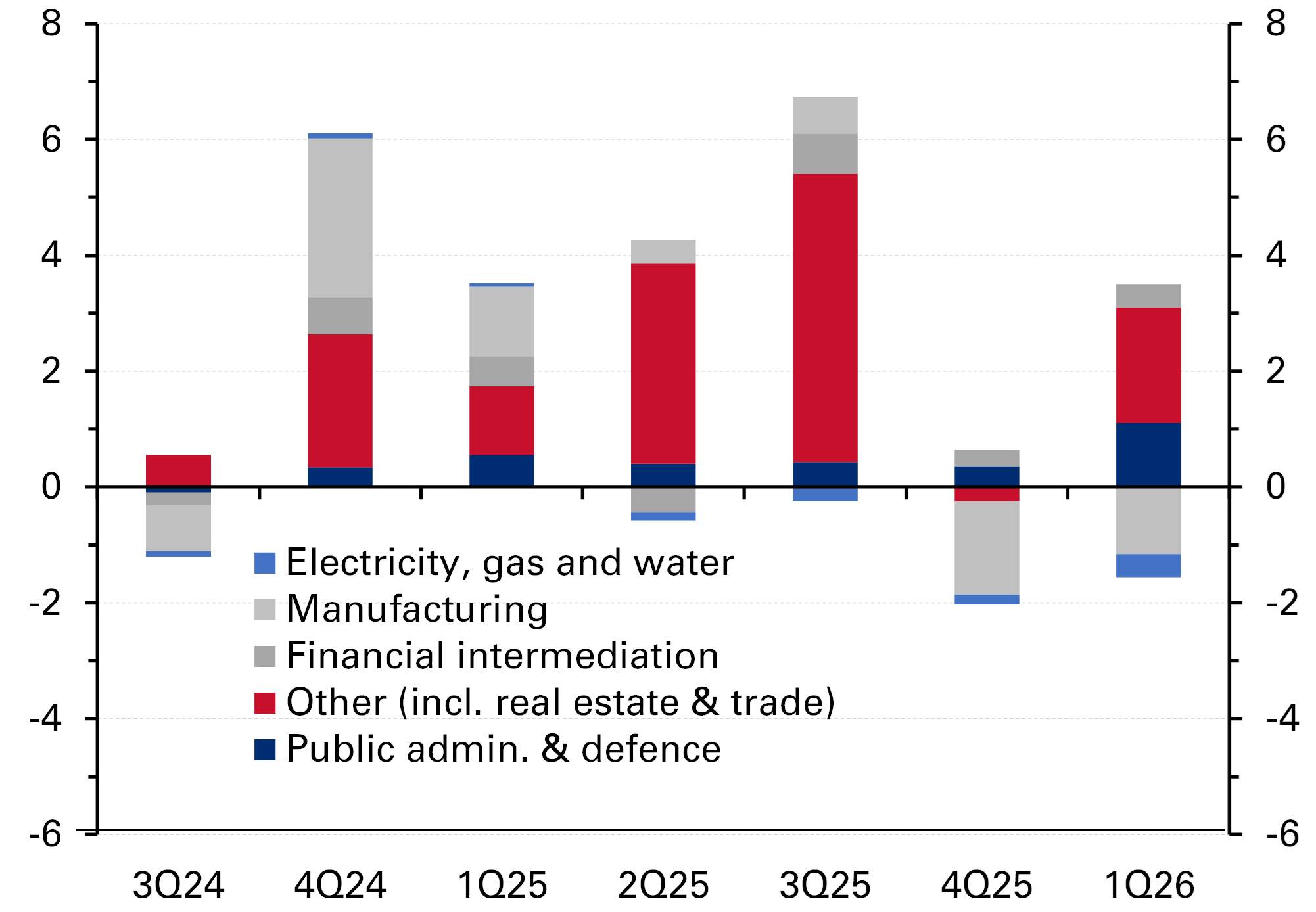
Non-oil GDP expanded 1.9% y/y in Q1 2026, rebounding from the 1.4% contraction recorded in the previous quarter. Growth was supported by solid activity in heavyweight sectors including real estate and business activities (+7.2% y/y), public administration and defense (+4.1%), and financial intermediation and insurance (+2.5%). Growth was also robust in health and social work (+7.8%) and telecommunications (+3.9%). Partly offsetting this strength was a sharp decline in manufacturing (-8.6% y/y) as refined oil products output fell to 668 kb/d in March, bringing the quarterly average to 1.143 mb/d (-9.7% y/y). Conflict-related disruptions also weighed on tourism-linked sectors such as hotels and restaurants and transport, which contracted 9.1% y/y and 8.7%, respectively. Utilities activity was also weak, with electricity, gas and water output declining by 9% y/y.
As the conflict persists, its toll on the non-oil economy is likely increasing, as reflected in recent high-frequency indicators. PMI readings remained in contraction territory throughout Q2, while real estate activity was subdued, extending the weakness observed in Q1. Project awards also slowed significantly, roughly halving from Q1’s elevated level amid heightened uncertainty and a shift in government priorities toward defense spending. Overall, the persistence of current geopolitical tensions is likely to weigh on non-oil economic activity in the near term, resulting in another soft output figure for Q2.
Overall GDP dropped sharply in Q1
Reflecting the above moves in the oil and non-oil sectors, total GDP contracted by 4.6% y/y in Q1 2026, reversing the 2.4% expansion recorded in Q4 2025. Economic performance is expected to remain under pressure in subsequent quarters as the closure of the Strait of Hormuz and elevated regional tensions weigh. Although visibility remains very limited, we currently forecast oil GDP to decline by 26% this year amid ongoing production disruptions, while non-oil GDP is expected to contract by 2% as weaker business sentiment, softer investment activity, and conflict-related uncertainty pressure growth. Further ahead, prospects for 2027 are more positive. Oil production is expected to rebound sharply as shipping activity normalizes and higher OPEC+ production quotas allow output to rise, while the non-oil economy should benefit from a recovery in project activity and improving consumer and business confidence.